
Tax deed auctions offer a unique opportunity for real estate investors to purchase properties at significantly reduced prices. These auctions occur when property owners fail to pay their property taxes for a prolonged period, leading the county or municipality to seize and sell the property to recover the unpaid taxes. While the idea of acquiring property below market value is enticing, it’s essential to understand that the process comes with significant risks—many of which can be mitigated through proper due diligence.
What Is Due Diligence in Real Estate Investing?
Due diligence in real estate refers to the process of thoroughly investigating a property before making a purchase. It involves gathering information on the property’s condition, legal status, financial encumbrances, and other critical factors that could affect its value or your ability to resell or utilize the property. In tax deed auctions, where sales are often final and as-is, due diligence is not just a step in the process—it’s a necessity.
Why Rushing Into a Tax Deed Purchase Can Be Risky
The excitement of finding a seemingly undervalued property at auction can cloud judgment. Many new investors make the mistake of bidding without fully understanding what they’re buying. This rush often leads to buying properties that have serious legal or physical issues—some that could cost more to fix than the property is worth. A failure to do due diligence can turn what looks like a golden opportunity into a financial nightmare.
Discovering Title Issues Before It’s Too Late
One of the most significant risks in tax deed investing is the condition of the property’s title. A tax deed sale does not always clear other liens or encumbrances. For example, there might be IRS liens, municipal code violations, or other judgments attached to the property that survive the auction. Discovering these after the fact could mean you are responsible for resolving them. Due diligence helps uncover these issues before you commit your funds.
Evaluating Property Condition Without Interior Access
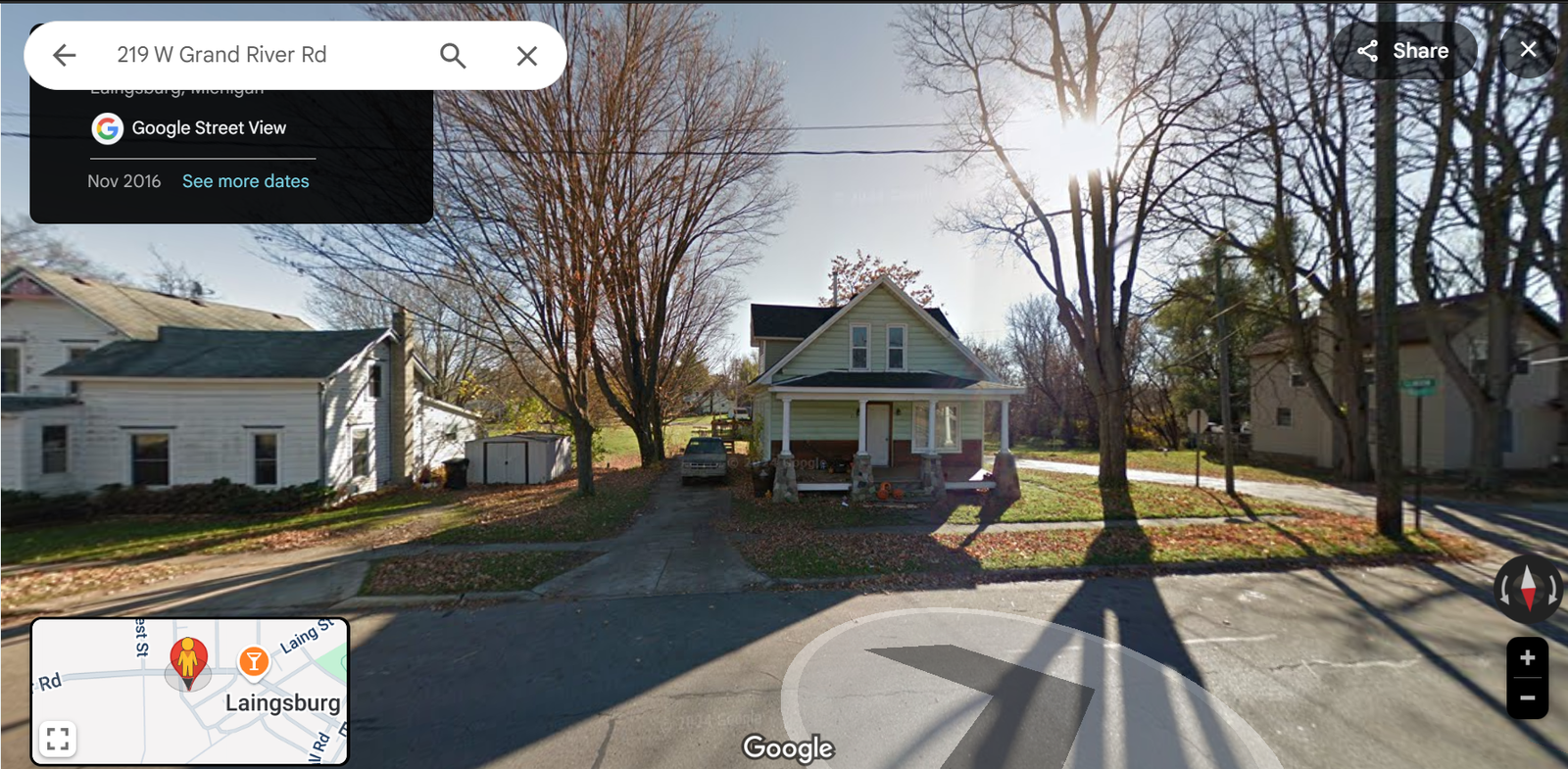
In most tax deed auctions, bidders are not allowed to inspect the interior of the property. This makes assessing the true condition of the property extremely difficult. Exterior drive-bys, public records, satellite imagery, and even talking to neighbors become crucial tools. Due diligence in this case includes doing everything possible to estimate repair costs and determine whether the structure is even livable or salvageable.
Understanding the Neighborhood and Location Value
Location plays a significant role in real estate value. A property that looks good on paper could be located in a high-crime area, a flood zone, or a neighborhood with declining property values. Due diligence includes researching the area’s demographics, school ratings, development plans, and market trends. Ignoring the neighborhood’s influence on long-term property value is a common mistake for new investors.
Checking for Zoning and Land Use Restrictions
A property might be affordable and in good condition but come with restrictions that limit how you can use it. Zoning laws govern whether a property can be used for residential, commercial, agricultural, or industrial purposes. You may buy a property hoping to build a rental unit, only to find out it’s zoned for something else entirely. Doing your due diligence includes verifying zoning regulations with the local planning department.
Reviewing Tax History and Outstanding Dues
It’s crucial to examine the property’s tax history. Some properties may have additional unpaid taxes that weren’t part of the auction. Furthermore, properties with a long history of tax delinquency may be located in areas with economic challenges or be difficult to resell. Make sure you understand the full scope of any additional financial responsibilities that come with the property.
Avoiding Properties With Demolition Orders or Code Violations
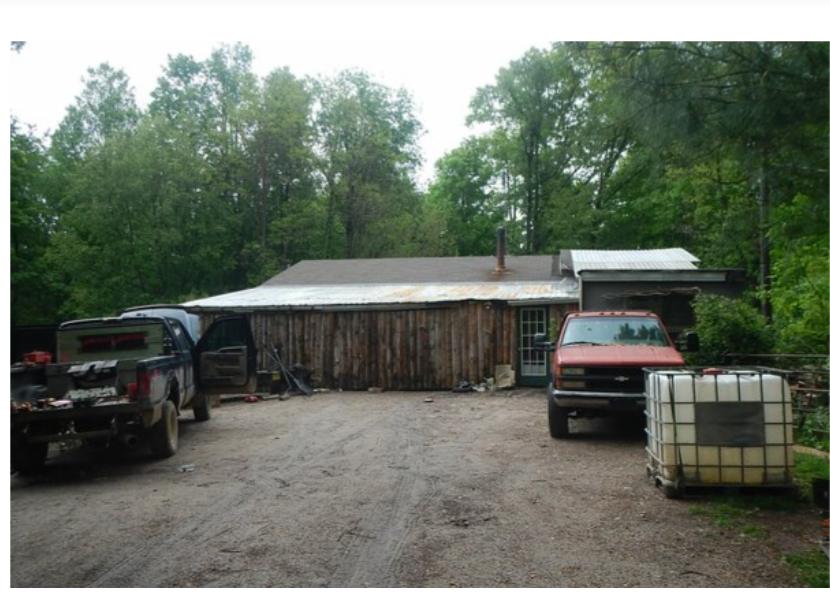
Some properties up for auction have been abandoned or severely neglected, and local governments may have issued code violations or demolition orders against them. These legal actions can be extremely costly to resolve and may even result in you losing the property. Part of thorough due diligence includes checking with local code enforcement departments for any pending actions against the property.
Investigating Utility and Infrastructure Access
Another overlooked but critical aspect of due diligence is whether the property has access to essential utilities like water, electricity, and sewage. In rural areas especially, some properties may lack infrastructure, making them expensive or impractical to develop. Before purchasing, verify the availability and condition of utility connections through local utility providers.
Legal Assistance Can Be a Wise Investment
While many investors try to handle due diligence on their own, consulting with a real estate attorney can be invaluable, especially for first-time bidders. A legal professional can help review title searches, identify legal pitfalls, and provide clarity on state-specific laws that affect tax deed auctions. Although this adds a cost, it can prevent expensive mistakes and increase your chances of a successful investment.
Using Online Tools and Resources to Your Advantage
Today, technology makes due diligence easier than ever. Public records, GIS maps, and property appraisal websites provide a wealth of information at your fingertips. Platforms like TDHunter.com offer tools and resources specifically designed for tax deed investors, including auction alerts, property research tools, and expert guidance. Leveraging these tools can significantly reduce your risks and increase your chances of success.
Building a Repeatable Due Diligence Process
Experienced investors understand that due diligence should be systematic. Having a checklist or process to evaluate each property ensures you don’t overlook any crucial details. Over time, this process becomes more refined, and your ability to spot red flags improves. A repeatable due diligence routine is essential for long-term success in tax deed investing.
Learning From Others’ Mistakes
There are countless stories of investors who lost money by skipping due diligence. From buying landlocked parcels to properties with six-figure liens, the risks are real. Learning from the experiences of others—whether through online communities, forums, or training courses—can help you avoid common pitfalls. Being proactive in your education can pay huge dividends.
Final Thoughts: Protect Your Investment Through Research
Tax deed auctions are an exciting way to invest in real estate, but they’re not without their challenges. Due diligence is your primary defense against making a costly mistake. From checking legal encumbrances to verifying property condition and understanding local laws, every step of the research process matters. As an investor, your goal isn’t just to win a bid—it’s to make a smart, profitable decision. The more work you do before the auction, the fewer surprises you’ll face after.




Join The Discussion